Free Dodgeball Arena
FREE
Ten player dodgeball matches on a Vespucci Beach court
Lifetime updates
Minigames do two jobs on a server. Some are content in themselves, like pool, hunting or a lottery. Others are the friction inside somebody else script: the keypad on the vault, the lockpick on the door. This shelf carries both from several sellers, which is why it is worth reading what a listing is for before buying it.
Ten player dodgeball matches on a Vespucci Beach court
Keno, Moneyball and three scratch-offs sold at every lottery station
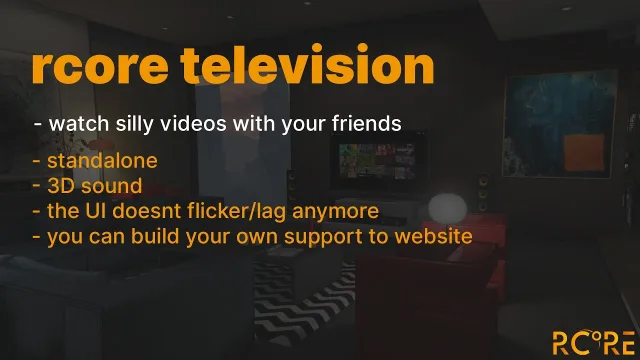
Server-synced TVs that play any stream with 3D sound
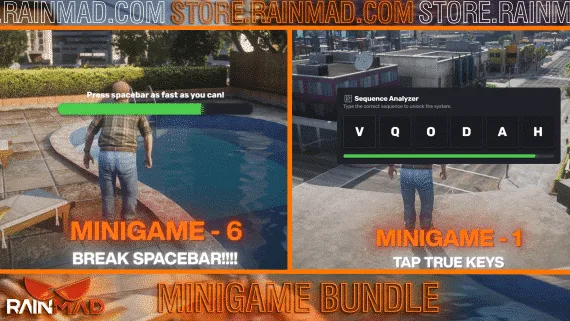
Sixteen heist minigames behind one export each
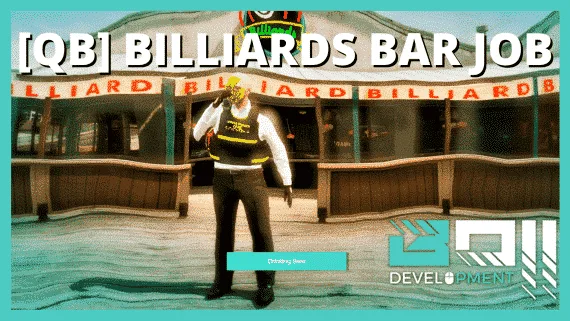
Run Patoche's billiards bar, pull pints, mix cocktails, feed the office snake

Synced hunting zones with chance-based hides and meat
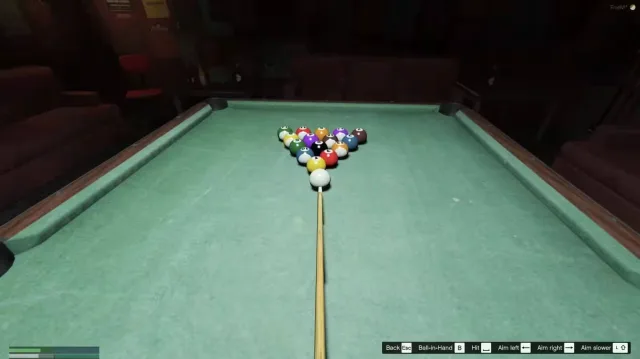
Every billiards table on the map becomes playable, fully synced
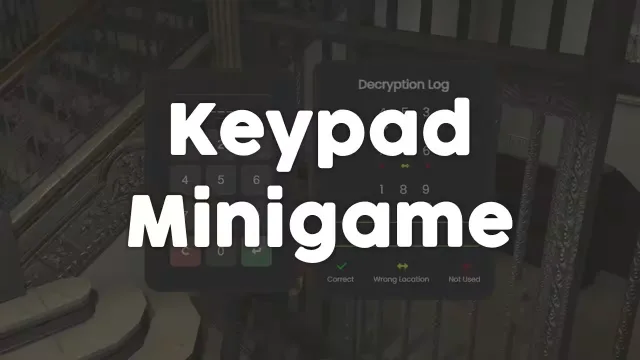
Standalone PIN cracking with configurable attempts and open source
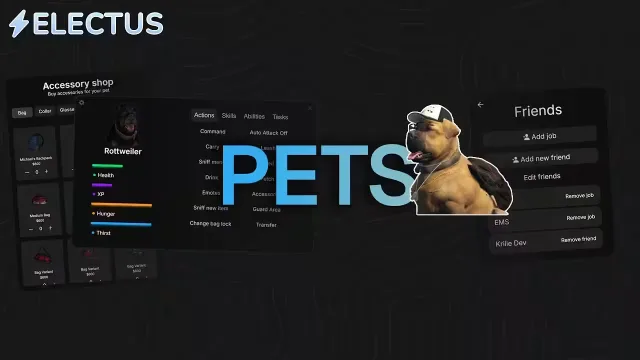
Skill points, guarding, sniffing and breeding for player pets

Free in-game TVs that play YouTube, Twitch and any web page
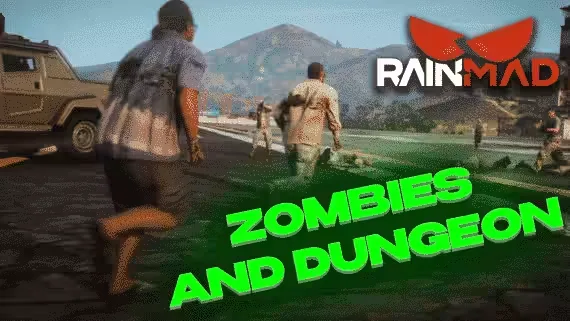
Antizin pauses the horde, Adrenalin brings it right back

Beach and dirt sweeps with 5 detectors and a loot pool you tune
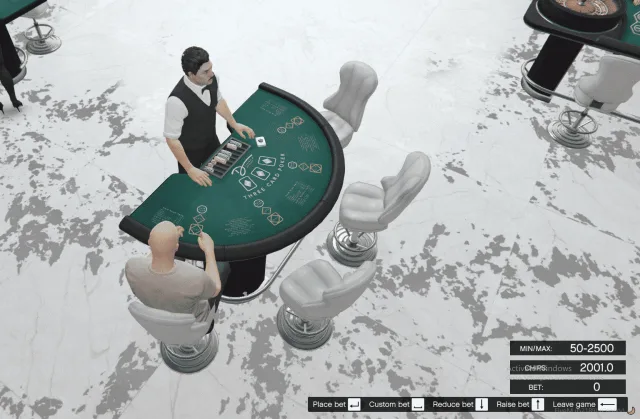
Every casino game your players want, in one qb-casino drop
A content minigame gives players a reason to be somewhere: a pool table in a bar, a metal detector on the beach, a scratch card at the counter. A mechanic minigame is a component, wired into a robbery or a door so the work takes skill instead of time. The second kind is only worth buying if your other resources can call it, so check the exports before you spend.
The best mechanic minigames are short, readable and hard to automate. If it takes longer than a few seconds, players will resent it every time. If it is the same three keys in the same order, a macro beats it. Configurable difficulty matters, because the check that suits a corner store is too easy for a vault.
Several listings here are events rather than single games: zombie waves, dungeon runs, dodgeball arenas and bounty boards. These pull the whole server into one place for an evening, which a roleplay map rarely does on its own. They also tend to be heavier, so look at what they cost while running rather than while idle.
Activities sit where players wait, so they run in populated areas. Check the resource cost while the game is actually in use, not idle, and place them where people already gather instead of hoping a new location will draw a crowd on its own.
Some are built for that and expose an export so a robbery or a door resource can trigger the skill check. The product page says whether the listing is a standalone activity or a component meant to be called.
The content ones are, because they give a handful of players something to do together. Large event systems need a crowd, so they suit servers that can gather one.
Many are standalone, which is why they are easy to mix. Anything that pays out or gives items needs your framework and inventory, and each product page states which ones it supports.