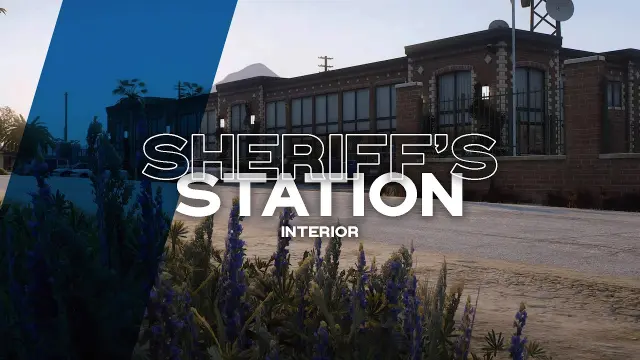
Sandy Shores Sheriff's Station and Patrol Yard MLO
$15.00
The full county arrest pipeline, garage to cells, without a teleport
Lifetime updates
Police work on a roleplay server is a shift, not a script. This shelf holds the pieces that shift is made of: the tools an officer carries, the vehicles and uniforms they arrive in, the dispatch board that sends them out, and the station they book a suspect into. Sellers here approach each piece differently, so compare the ones that overlap before you buy two of the same thing.
The full county arrest pipeline, garage to cells, without a teleport
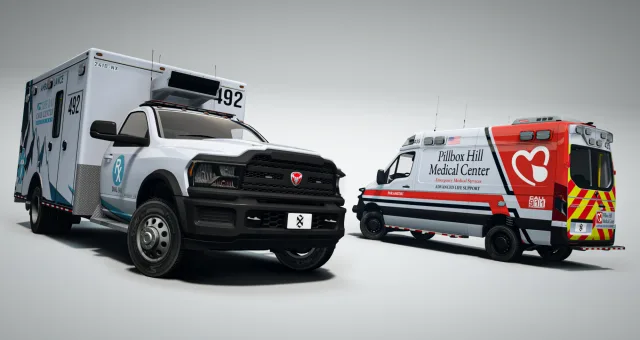
One lightbar script covers all 22 cars, no duplicate models
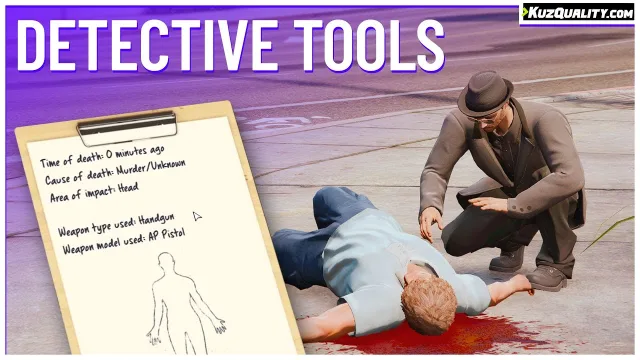
Read a corpse for time of death and the killing blow
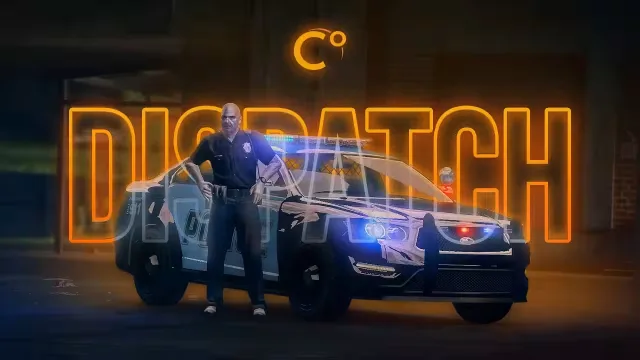
Draw tactical plans that render straight onto the GTA map
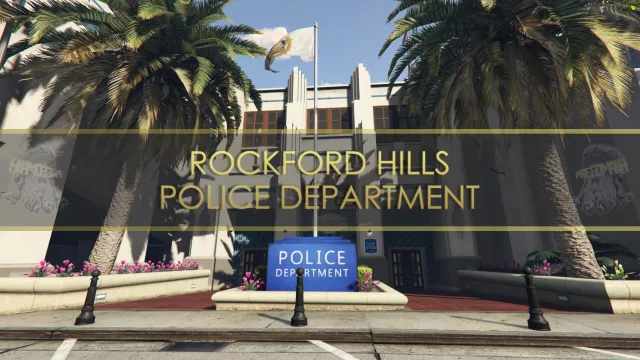
Five floors of unlocked police headquarters, no escrow anywhere
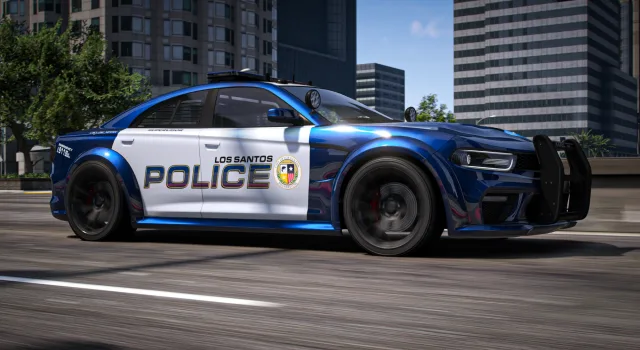
One lifetime purchase covers 41 non-ELS lore-friendly LEO vehicles
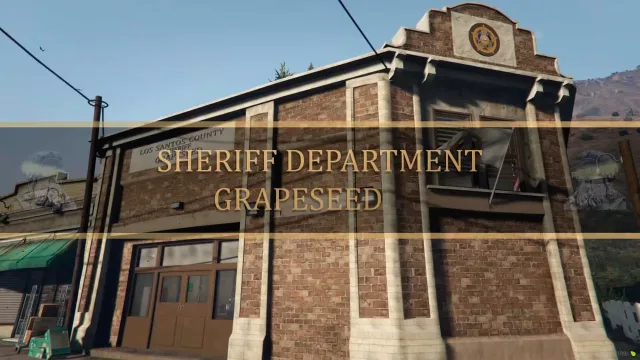
Rural sheriff's office for Grapeseed roleplay
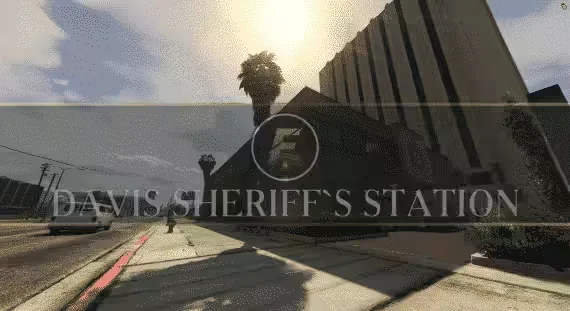
Swap the whole station between Sheriff and LSPD themes
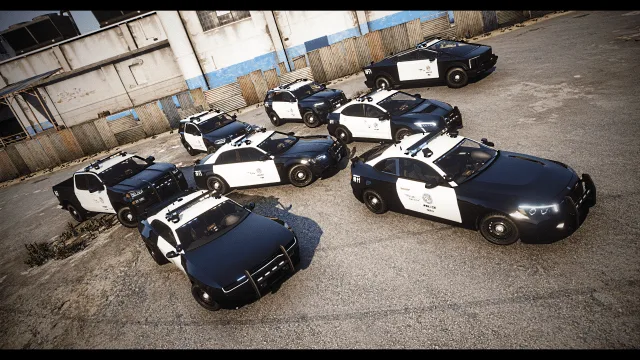
Full police tuning and removable lighting on all eight vehicles
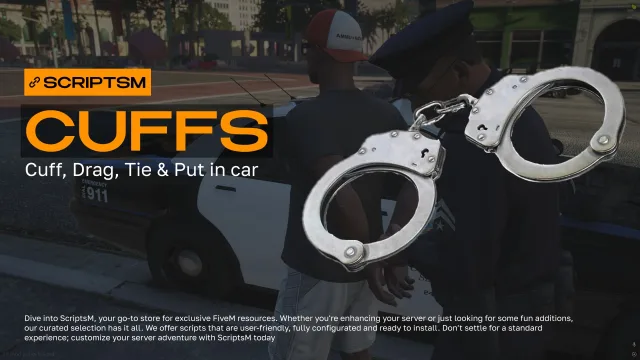
Cuff and cable tie arrests that stay at 0.00ms
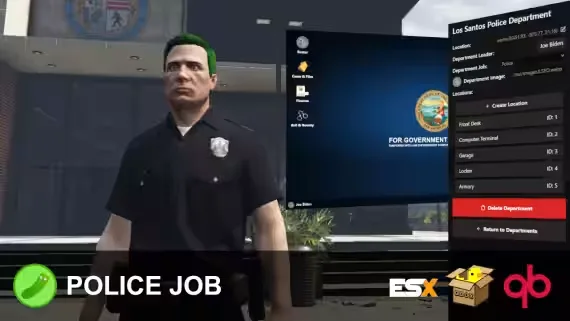
Spin up entire departments from a computer terminal, no config edits
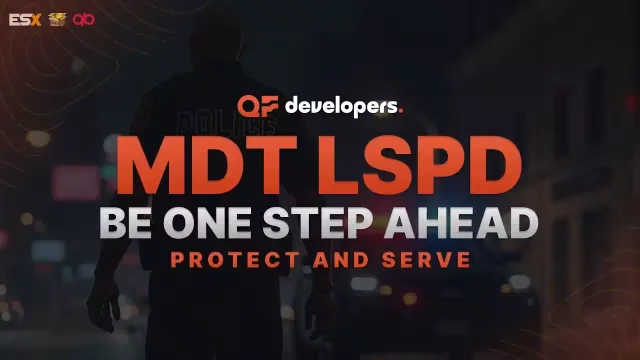
Free police MDT with warrants, fines and a searchable citizen database
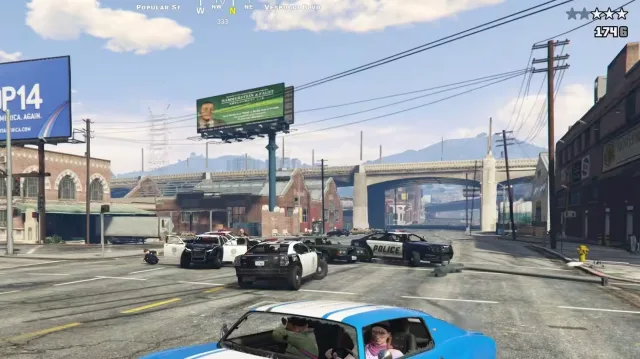
Rewritten wanted system that only kicks in when player cops are offline
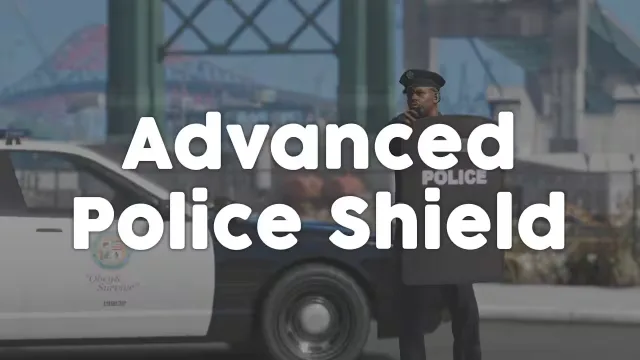
Ballistic and riot shields running at 0.00ms idle
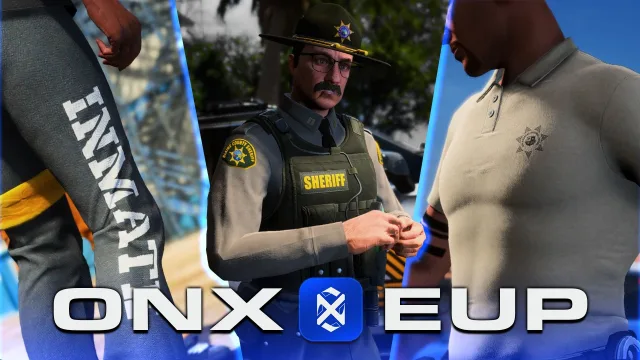
Mix base uniform colors independently of department patches and insignia
A 40-room police department that ships with no escrow
Work out what a patrol actually does on your server before you buy. A department that mostly runs traffic stops needs cuffs, a tracker and somewhere to process a driver. One that runs organised crime storylines needs evidence handling, detective tools and an interview room. Buying the interiors first is a common mistake: a beautiful station with nothing to do inside it gets used once.
Handheld resources are the cheapest way to make a stop feel different. Cuff, tie and drag covers the moment of arrest. Ballistic shields change how a squad approaches a building. Tracker darts turn a pursuit into something other than a straight chase, and body investigation tools give a detective a reason to be at a scene long after the shooting stopped. Most of these are standalone, so they sit on top of whatever job resource you already run.
A dispatch board with a live map decides how a call reaches a unit, and a records panel decides what happens after the arrest. Both exist here at a free and a paid tier, from different sellers, so read the framework line before you pick. Station interiors range from a small sheriff post to an unlocked city department, and the one you want depends on where your roleplay actually happens rather than which looks best in a screenshot.
Emergency vehicle packs and clothing packs are streamed assets rather than scripts, so they do not care which framework you run. They do care about your stream budget and your server build, and a large pack will want both checked before you install it.
Most do, and each product page states the frameworks its seller tested. Standalone tools like cuffs, shields and trackers usually run anywhere, while job, records and dispatch resources are the ones to check line by line.
No. A job resource works against the map that ships with the game. An interior adds a place for booking, briefing and storage, which matters more once your department has a routine worth playing out.
Usually yes, because most of the handheld resources are standalone. Watch for a second resource claiming the same key or the same target interaction, and check whether each one expects a particular target or inventory resource.